Introduction
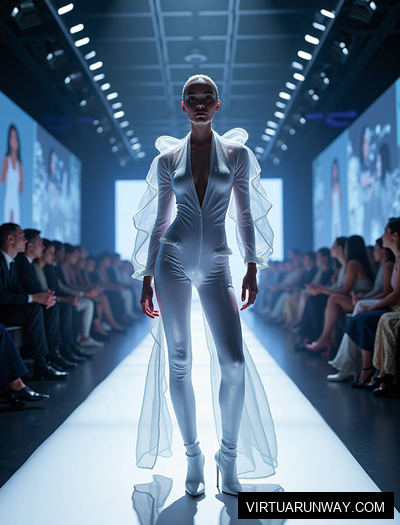
The fashion industry, known for its perpetual motion towards the new and the next, has found a compelling ally in technology. This union has birthed what we now recognize as the Virtua Runway, a digital landscape where innovation meets couture. Here, the limitations of the physical world are transcended, allowing designers to explore boundless creativity. This intersection of technology and style is not just redefining fashion's boundaries but is also reshaping how we perceive, interact with, and consume fashion.
In this deep dive, we explore the multifaceted relationship between technology and style on the Virtua Runway. From the implications of digital fashion shows to the rise of virtual clothing and the use of augmented reality (AR) for immersive shopping experiences, each aspect reveals a facet of how technology is not just influencing but actively molding the future of fashion.
In the realm of fashion, the introduction sets the stage for what lies ahead - a tantalizing preview of trends, designs, and innovations waiting to be explored. From captivating runway shows to groundbreaking collaborations, this initial peek into the industry's pulse sparks curiosity and excitement among fashion enthusiasts, paving the way for a deeper dive into its creative realm.
Digital Fashion Shows: A New Paradigm
The global pandemic of 2020 served as a catalyst for the rapid evolution of digital fashion shows. Traditional runway events, with their exclusive guest lists and physical venues, were transformed into digital spectacles accessible to a global audience. Brands like Balenciaga and Louis Vuitton pioneered this shift, offering virtual experiences that merged cinematic storytelling with fashion presentation. These digital shows have not only democratized access to high fashion but have also opened new avenues for creativity and expression.
The environmental impact of these digital alternatives cannot be overstated. With the fashion industry being one of the major contributors to global pollution, the shift towards virtual shows represents a significant step towards sustainability. By eliminating the need for physical travel, reducing the production of physical samples, and minimizing event setup, digital fashion shows offer a greener alternative to their traditional counterparts.
As we delve deeper into the realm of digital fashion shows, we witness designers embracing augmented reality to create immersive runway experiences. Brands are leveraging virtual showrooms to connect with global audiences in real-time, revolutionizing the traditional fashion calendar. This shift towards digital platforms has not only enhanced accessibility but also opened up new avenues for creativity and innovation in the fashion industry.
Virtual Clothing: Beyond the Physical Realm
In the realm of the Virtua Runway, clothing need not exist in physical form to make a style statement. Virtual clothing, designed to be worn in digital spaces by avatars or superimposed onto images of real people, is challenging our conventional understanding of fashion. Brands like The Fabricant and RTFKT are at the forefront of this movement, creating pieces that are as intricate and fashionable as any physical garment but exist solely in the digital domain.
This shift towards virtual clothing is not just an exercise in creativity; it's a response to the increasing importance of digital identities. As we spend more time in virtual spaces, the demand for digital goods, including fashion, has skyrocketed. Virtual clothing offers a sustainable alternative to fast fashion, reducing waste and environmental impact by eliminating physical production entirely.
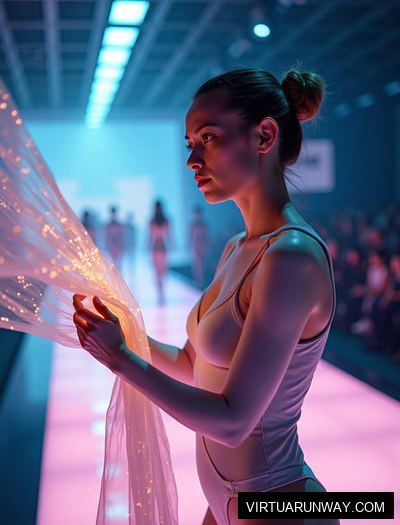
Immersive virtual environments now offer fashion enthusiasts the ability to experiment with avant-garde designs that would be impractical or impossible in the physical world. From holographic couture to animated textures that respond to movement, virtual clothing challenges traditional concepts of wearability and materiality.
Augmented Reality: A Tool for Immersive Shopping
Augmented reality (AR) technology has transformed the online shopping experience, making it more interactive and personalized. By allowing users to virtually try on clothes and accessories through their smartphones or computers, AR bridges the gap between the convenience of online shopping and the personal touch of a physical store. Brands like Gucci and Warby Parker have leveraged AR to enhance customer engagement, offering try-on apps that have significantly improved the online shopping experience.
Beyond individual brand applications, AR is also paving the way for virtual fitting rooms, where users can experiment with different outfits without the need for physical samples. This technology not only makes online shopping more engaging but also helps reduce the high rates of returns that plague the e-commerce fashion industry, by providing a more accurate representation of how a product looks and fits.
Augmented reality (AR) technology has transformed the online shopping experience, making it more interactive and engaging. Retailers like IKEA and Sephora have successfully integrated AR into their apps, allowing customers to virtually try out furniture or makeup products before making a purchase. This immersive shopping experience not only enhances customer satisfaction but also reduces return rates.
The Ethical Implications of Virtual Fashion
As with any technological advancement, the rise of virtual fashion and the Virtua Runway brings with it a set of ethical considerations. The creation of digital-only clothing raises questions about the value of fashion and its disposability in a digital age. While virtual fashion minimizes physical waste, it also introduces concerns about the potential for digital pollution and the environmental impact of powering the servers and devices necessary to create and view these digital creations.
Moreover, the democratization of fashion through digital means brings to light issues of digital divide and accessibility. While virtual fashion shows and clothing may be accessible to a global audience, there remains a significant portion of the population without the necessary technology to participate in these digital experiences. This begs the question of whether the future of fashion will become increasingly exclusive, not through price or prestige, but through access to technology.
While virtual fashion offers exciting creative possibilities, it also raises ethical concerns regarding sustainability and cultural appropriation. The digital nature of virtual garments challenges traditional notions of materiality and ownership, prompting discussions on the environmental impact of creating virtual clothing and the respectful representation of diverse cultures in the virtual realm.
Conclusion
The intersection of technology and style on the Virtua Runway represents a pivotal shift in the fashion industry. By embracing digital innovation, fashion is undergoing a transformation that challenges traditional boundaries and opens up new possibilities for creativity, sustainability, and inclusivity. As we move forward, the continued evolution of this intersection will undoubtedly lead to further advancements and disruptions within the fashion sector.
However, as we navigate this new digital landscape, it is crucial to remain mindful of the ethical implications and strive towards solutions that not only push the boundaries of style and technology but also promote accessibility, sustainability, and equity. The future of fashion on the Virtua Runway is bright, and its potential is as limitless as the technology that powers it. As consumers, creators, and curators of fashion, we have the opportunity to shape this future, ensuring that as fashion evolves, it does so in a way that benefits not just the industry, but society as a whole.
In conclusion, the fusion of technology and style showcased on the Virtua Runway not only revolutionizes the fashion industry but also sets a new standard for immersive experiences. The interactive virtual fashion shows provide a glimpse into the future of how consumers engage with brands, blurring the lines between physical and digital realms.