
Introduction
In recent years, the global fashion industry has witnessed a seismic shift in how products are marketed, sold, and experienced by consumers. Among the most transformative innovations is the advent of Virtual Reality (VR) showrooms, which have begun to redefine the paradigms of fashion consumption across the globe. This technology, once a figment of science fiction, has now become an integral part of the fashion ecosystem, offering an immersive shopping experience that transcends physical and geographical limitations. By transporting users into a 3D digital environment, VR showrooms have not only enhanced the way consumers interact with fashion brands but have also presented new opportunities and challenges for retailers and designers alike.
The integration of VR technology in the fashion industry symbolizes a significant leap towards digitalization, pushing the boundaries of traditional retail and e-commerce. This evolution raises important questions about the future of fashion consumption, the sustainability of digital versus physical retail, and the broader implications for global fashion markets. In this comprehensive exploration, we delve into the impact of VR showrooms on global fashion consumption, examining the technological advancements, consumer behavior shifts, and the potential for a more inclusive and sustainable fashion industry.
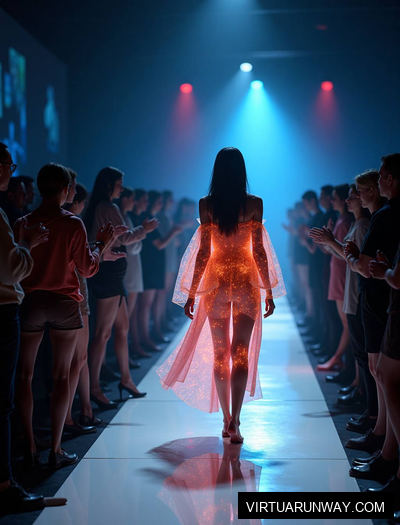
As we delve deeper into the realm of fashion evolution, it becomes evident that the concept of an introduction extends beyond mere product marketing strategies. The introduction serves as the gateway for brands to establish their identity, values, and unique selling propositions. Take, for example, luxury fashion houses that craft exquisite runway shows to captivate their audience and set the tone for their upcoming collections. These introductory showcases not only showcase the garments but also convey a narrative, a vision that resonates with consumers on a deeper level.
Revolutionizing the Shopping Experience
The introduction of VR showrooms has revolutionized the shopping experience by offering a level of immersion and interactivity that was previously unimaginable. Consumers can now explore virtual stores, try on digital renditions of clothing, and enjoy a 360-degree view of products without ever leaving their homes. This innovation has been particularly beneficial in overcoming the physical limitations imposed by the global pandemic, enabling fashion retailers to maintain customer engagement and drive sales despite lockdowns and social distancing measures.
Several leading fashion brands have already embraced this technology to remarkable effect. For instance, Tommy Hilfiger and Balenciaga have launched virtual reality fashion shows and showrooms, allowing consumers worldwide to experience their collections in a completely new and immersive way. Moreover, smaller retailers are also adopting VR to differentiate themselves in a competitive market, offering virtual try-ons and personalized shopping experiences that cater to the individual preferences of their customers.
The benefits of VR showrooms extend beyond consumer engagement. They also offer valuable data insights into customer behavior, preferences, and buying patterns. By analyzing interactions within the virtual space, fashion brands can gather detailed consumer insights, enabling them to optimize product offerings, personalize marketing strategies, and enhance customer satisfaction. This data-driven approach heralds a new era of precision marketing in the fashion industry, where brands can tailor their offerings to meet the exact needs of their target audience.
Moreover, the integration of AI-powered personal shopping assistants has further transformed the way consumers engage with products online. These virtual assistants utilize advanced algorithms to understand individual preferences and provide tailored recommendations, enhancing the overall shopping journey for users. Imagine having a digital stylist at your fingertips, curating a personalized wardrobe that aligns perfectly with your style and budget. This innovative approach not only streamlines the shopping process but also creates a more immersive and interactive online shopping experience.
Sustainability and Ethical Consumption
One of the most significant impacts of VR showrooms on global fashion consumption is their potential to promote sustainability and ethical consumption. By reducing the need for physical samples and prototypes, VR technology can significantly lower the environmental footprint of the fashion industry. This reduction in material waste and carbon emissions represents a substantial step towards more sustainable fashion practices. Additionally, virtual showrooms can democratize access to fashion, allowing consumers from diverse geographical and socio-economic backgrounds to engage with brands and products that were previously out of reach.
However, the sustainability benefits of VR showrooms are not without their challenges. The energy consumption associated with running high-quality VR experiences and the environmental impact of producing VR hardware are concerns that the industry must address. Moreover, there is an ongoing debate about the digital divide and whether advancements in technology may exacerbate inequalities among consumers. Despite these challenges, the potential of VR showrooms to contribute to a more sustainable and inclusive fashion industry is undeniable.
Innovative startups and established brands are exploring ways to leverage VR for sustainability. For example, The Fabricant, a digital fashion house, creates exclusively virtual clothing, eliminating material waste almost entirely. Meanwhile, brands like Adidas and Nike are using VR to offer virtual fittings, reducing the need for physical samples and the environmental impact associated with shipping and returns. These initiatives highlight the dual potential of VR to revolutionize fashion consumption while promoting environmental responsibility and ethical practices.
In the realm of sustainability and ethical consumption, the rise of circular fashion practices is gaining momentum. Brands are increasingly embracing the concept of circularity by designing products with longevity in mind, using recycled materials, and offering repair services to extend the lifespan of garments. This shift towards circular fashion not only reduces waste but also promotes a more sustainable and environmentally friendly approach to fashion consumption. By supporting brands that prioritize circularity, consumers can actively contribute to a more ethical and eco-conscious fashion industry.
The Global Market and Consumer Adoption
The impact of VR showrooms on global fashion consumption is also reflected in the rapidly growing VR market. According to a report by Grand View Research, the global virtual reality in retail market size was valued at USD 1.3 billion in 2020 and is expected to expand at a compound annual growth rate (CAGR) of 21.5% from 2021 to 2028. This growth is driven by increasing consumer demand for immersive and interactive shopping experiences, as well as the technology's ability to bridge the gap between online and offline retail.
Consumer adoption of VR technology in fashion shopping varies across different regions and demographics. In markets with high digital literacy and robust technological infrastructure, such as the United States, South Korea, and Japan, consumers have been quick to embrace VR showrooms. However, in regions where access to VR technology is limited, adoption rates are slower. This disparity underscores the need for continued investment in digital infrastructure and education to ensure that the benefits of VR shopping are accessible to all.
Despite these regional differences, the global trend is clear: consumers are increasingly seeking innovative and personalized shopping experiences. As VR technology becomes more affordable and accessible, its adoption in the fashion industry is expected to accelerate, reshaping consumer expectations and setting new standards for retail engagement.
The global market dynamics are witnessing a notable shift in consumer adoption patterns, especially evident in the surge of digital native brands capturing market share. From direct-to-consumer models to personalized shopping experiences, consumers are embracing innovative approaches to engage with brands. For instance, the rise of subscription-based services like Stitch Fix and Dollar Shave Club highlights how consumer adoption is reshaping traditional retail paradigms. This trend underscores the importance of understanding and adapting to evolving consumer behaviors in the ever-changing global market landscape.
Challenges and Future Directions
While the potential of VR showrooms is vast, the technology also presents several challenges. The cost of VR equipment and the technical expertise required to create high-quality virtual environments can be prohibitive for small and medium-sized fashion retailers. Additionally, there are concerns about the sensory limitations of VR, such as the inability to touch fabrics or assess the fit of garments physically. These challenges highlight the need for ongoing technological advancements and creative solutions to enhance the realism and functionality of VR shopping experiences.
Looking to the future, the fashion industry is poised to continue its embrace of VR technology. Innovations such as haptic feedback suits, which simulate the sensation of touch, and advancements in 3D body scanning for accurate virtual fittings, are on the horizon. These developments promise to address some of the current limitations of VR showrooms, making virtual shopping experiences even more immersive and satisfying for consumers.
Furthermore, as concerns about sustainability and ethical consumption grow, VR showrooms are likely to play a crucial role in promoting more responsible fashion practices. By offering an attractive alternative to fast fashion, enabling more informed purchasing decisions, and reducing waste, VR technology has the potential to support the industry's transition towards a more sustainable and ethical future.
In addition to cost considerations, the adoption of VR showrooms also raises significant privacy concerns. The collection and storage of user data in virtual environments present unique challenges in ensuring data security and protecting user privacy. As technology continues to advance, addressing these privacy issues will be crucial in shaping the future of VR showrooms. Furthermore, the integration of AI algorithms in virtual experiences opens up exciting possibilities for personalized user interactions, but also requires careful navigation of ethical and regulatory frameworks to ensure responsible use.
Conclusion
The impact of virtual reality showrooms on global fashion consumption is profound and multifaceted. By revolutionizing the shopping experience, promoting sustainability, and reshaping consumer expectations, VR technology is at the forefront of the fashion industry's digital transformation. Despite the challenges and ongoing debates about its implications, the potential of VR to create a more inclusive, sustainable, and engaging fashion industry is undeniable.
As we look towards the future, it is clear that the integration of VR in fashion retail will continue to evolve, driven by technological advancements and changing consumer demands. For brands and retailers, embracing this technology represents an opportunity to differentiate themselves in a crowded market, offering unique experiences that captivate and delight consumers. For the global fashion industry, VR showrooms herald a new era of digital innovation, one that promises to redefine our relationship with fashion and the world around us.
In conclusion, the integration of virtual reality showrooms in the fashion industry not only revolutionizes the shopping experience but also opens up new avenues for brand engagement and customer interaction. For instance, luxury brands like Gucci and Louis Vuitton have successfully utilized virtual reality technology to create immersive experiences that bridge the gap between online and physical retail spaces. This trend highlights the importance of embracing innovative technologies to stay relevant and competitive in a rapidly evolving market landscape.