
Introduction
The fashion industry is witnessing a revolutionary shift with the advent of digital couture, propelled by the innovative minds of virtual fashion designers. This new era merges technology with traditional fashion, crafting garments that exist solely in the digital realm. The rise of virtual fashion design is reshaping the landscape of the industry, offering sustainable alternatives, and opening doors to unprecedented creative freedom. As we delve deeper into this phenomenon, we explore the pioneering efforts of virtual fashion designers, their impact on the industry, and the future possibilities of digital couture.
Virtual fashion design is not merely a fleeting trend but a burgeoning sector that promises to redefine how we perceive and engage with fashion. This digital movement is powered by cutting-edge technologies such as 3D modeling, blockchain, and augmented reality, enabling designers to conjure stunning outfits that can be worn in virtual spaces or superimposed on users via digital platforms. The implications of such innovations are vast, affecting everything from the production and distribution of fashion items to the way brands engage with consumers.
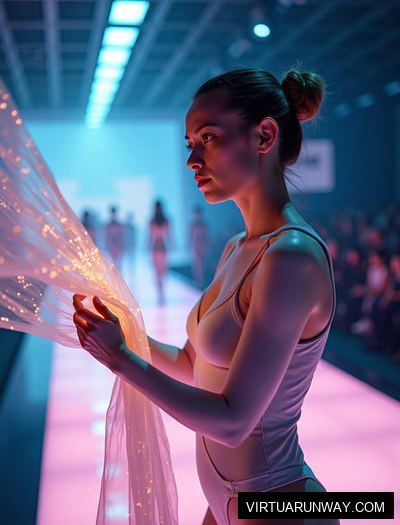
In this introduction, we delve into the transformative impact of digital couture on the fashion landscape. From virtual fashion shows to AI-powered design tools, technology is reshaping how designers create and consumers engage with fashion. This shift promises a new era of creativity, accessibility, and sustainability in the industry.
The Emergence of Digital Couture
Digital couture made its grand entrance into the public eye when Dutch designer Iris van Herpen presented her first digital collection in 2010. Her innovative approach to fashion, combining traditional craftsmanship with digital technology, paved the way for others to explore the realm of virtual fashion. Since then, numerous brands and designers have ventured into digital fashion, launching collections that exist entirely online or utilizing digital elements to enhance physical garments.
One notable example is The Fabricant, a digital fashion house that sold a digital dress for $9,500 in a blockchain transaction in 2019. This sale not only highlighted the monetary value of digital fashion but also its potential for uniqueness and exclusivity in the digital age. Moreover, luxury fashion brands like Gucci and Louis Vuitton have also embraced virtual fashion, offering digital versions of their iconic bags and clothing through video games and virtual platforms.
The evolution of digital couture has revolutionized the fashion industry, opening doors to avant-garde creativity and boundary-pushing designs. From 3D-printed garments to virtual fashion shows, designers like Zac Posen and Balmain have embraced technology to create stunning pieces that blur the lines between art and fashion.
The Technology Behind Virtual Fashion
The creation of digital couture relies heavily on advanced technologies. 3D modeling software, such as CLO3D and Adobe Substance, enables designers to craft intricate designs without the constraints of physical materials. These tools offer a sustainable alternative to traditional fashion production, eliminating waste and reducing the need for physical samples. Blockchain technology also plays a crucial role, providing a secure platform for the sale and ownership of digital fashion items, ensuring authenticity and exclusivity.
Augmented reality (AR) and virtual reality (VR) technologies further enhance the digital fashion experience, allowing consumers to try on and interact with digital garments in a virtual space. AR apps like Wanna Kicks and L'Oréal's Virtual Try-On service are pioneering this interactive aspect of digital fashion, offering users a glimpse into the future of retail and personal styling.
One key aspect of the technology behind virtual fashion is the use of AI algorithms for fabric simulation. These algorithms accurately replicate the drape and movement of different materials, enhancing the realism of virtual garments. Additionally, advancements in motion capture technology enable designers to create virtual fashion pieces that move and flow realistically on digital models.
The Impact of Digital Couture
The impact of digital couture extends beyond the boundaries of fashion and technology, signaling a shift towards more sustainable and inclusive practices within the industry. Digital fashion eliminates the need for physical materials, drastically reducing the environmental footprint associated with garment production. This shift not only addresses the urgent need for sustainability in fashion but also democratizes the design process, allowing smaller designers to compete with established brands without the overhead of physical production.
Furthermore, virtual fashion offers an unparalleled platform for artistic expression and identity exploration. Digital garments can transcend the limitations of physics and biology, enabling designers and wearers to imagine and manifest identities that are unbound by traditional norms. This aspect of digital couture is particularly poignant in virtual worlds and gaming, where avatars can don outfits that reflect a user's ideal self or fantasy.
In today's digital era, the impact of digital couture is reshaping the fashion landscape with innovative concepts like virtual fashion shows and digital clothing. Designers are leveraging technologies like augmented reality to create interactive and immersive experiences for consumers, blurring the lines between physical and digital fashion realms.
Challenges and Future Directions
Despite its promising prospects, the journey of digital couture is not without challenges. Issues such as digital piracy, the valuation of digital assets, and the need for widespread consumer adoption remain significant hurdles. Designers and brands venturing into the digital realm must navigate these challenges while continuing to innovate and push the boundaries of what is possible with digital fashion.
Looking towards the future, the integration of digital couture with emerging technologies presents exciting possibilities. Developments in AI and machine learning could lead to personalized, algorithmically designed garments that adapt to the wearer's preferences and body shape. Additionally, the expansion of the metaverse and virtual worlds offers a vast new frontier for digital fashion, where designers can create immersive experiences and garments that interact with virtual environments in dynamic ways.
One of the key challenges in the digital couture industry lies in maintaining the delicate balance between technological innovation and traditional craftsmanship. As designers strive to push boundaries with 3D printing and AI integration, they must also preserve the authenticity and artistry of handcrafted garments. This juxtaposition poses a unique challenge but also opens up exciting possibilities for the future direction of digital couture.
Conclusion
The rise of virtual fashion designers and digital couture marks a significant turning point in the fashion industry. By blending technology with traditional design principles, digital fashion opens up new avenues for creativity, sustainability, and inclusivity. As the industry continues to evolve, the pioneering efforts of virtual fashion designers will undoubtedly play a crucial role in shaping the future of fashion. Despite the challenges that lie ahead, the potential for innovation and transformation within the realm of digital couture is boundless.
For designers, brands, and consumers alike, the journey into digital fashion is an exciting venture into uncharted territory. It invites us to reimagine the possibilities of fashion and to embrace the digital as an integral part of our sartorial future. As we continue to explore this digital frontier, the only limit is our imagination.
In conclusion, the impact of virtual fashion designers and digital couture goes beyond just aesthetics. These innovations are reshaping the way consumers interact with and experience fashion, blurring the lines between physical and digital realms. For instance, virtual fashion shows are becoming increasingly popular, offering a sustainable and inclusive approach to showcasing collections.